In the landscape of African educational policy, few initiatives have been as ambitious and transformative as the introduction of Universal Secondary Education (USE) in Uganda. Launched in 2007, this program was a crucial step following the success of Universal Primary Education (UPE) implemented a decade earlier. By dismantling the financial barriers that kept millions of children out of the classroom, Uganda became one of the pioneering nations in Sub-Saharan Africa to commit to free high-school level education.
The policy’s core objective was clear: to significantly increase access to secondary education, particularly for students from economically disadvantaged backgrounds and rural communities. However, over a decade later, the program is a complex case study in the trade-offs between expanding access and maintaining quality.
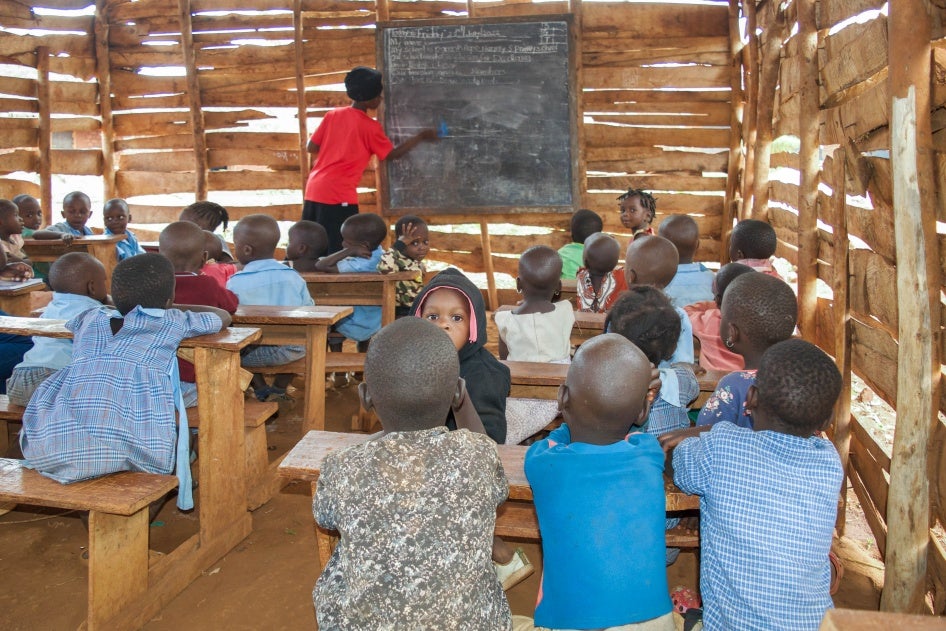
The Policy Mechanics: How USE Works
The Universal Secondary Education (USE) policy is not simply the abolition of all costs. It operates through a public-private partnership model designed … Read more
 Recent tutorial analysis by the University of Winchester has indicated that four out of ten service kids who have the power to progress into higher schooling are unlikely to do so.
 The middle ages, also known as medieval occasions, covered a big span of history, roughly from 500 to 1400 AD. Most generally, this time interval was referred to as the time of knights, monks, kings, and great pageantry. But life didn’t utterly center around these aspects alone.