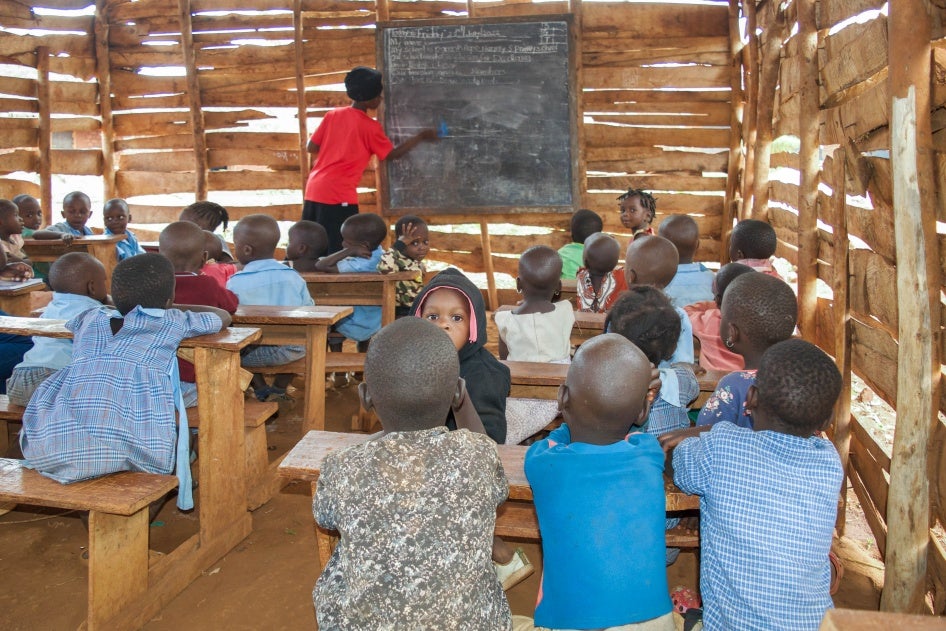
In the landscape of African educational policy, few initiatives have been as ambitious and transformative as the introduction of Universal Secondary Education (USE) in Uganda. Launched in 2007, this program was a crucial step following the success of Universal Primary Education (UPE) implemented a decade earlier. By dismantling the financial barriers that kept millions of children out of the classroom, Uganda became one of the pioneering nations in Sub-Saharan Africa to commit to free high-school level education.
The policy’s core objective was clear: to significantly increase access to secondary education, particularly for students from economically disadvantaged backgrounds and rural communities. However, over a decade later, the program is a complex case study in the trade-offs between expanding access and maintaining quality.
The Policy Mechanics: How USE Works
The Universal Secondary Education (USE) policy is not simply the abolition of all costs. It operates through a public-private partnership model designed … Read more