In the architectural landscape of 2026, the bathroom has transcended its traditional role as a mere functional necessity. It has evolved into a personal sanctuary—a private retreat where wellness, technology, and aesthetics converge. As homeowners seek to create spaces that offer a respite from the digital noise of the outside world, the focus on bathroom design has shifted toward creating a “spa-like” experience that prioritizes both mental tranquility and physical comfort.
A successful bathroom remodel or design project requires a deep understanding of spatial harmony and material durability. Whether you are working with a compact powder room or a sprawling primary suite, the goal is to balance efficiency with luxury. This article explores the most impactful bathroom ideas that are shaping contemporary homes, offering professional insights into how you can elevate this vital space.
The Rise of the Wet Room and Curbless Shower
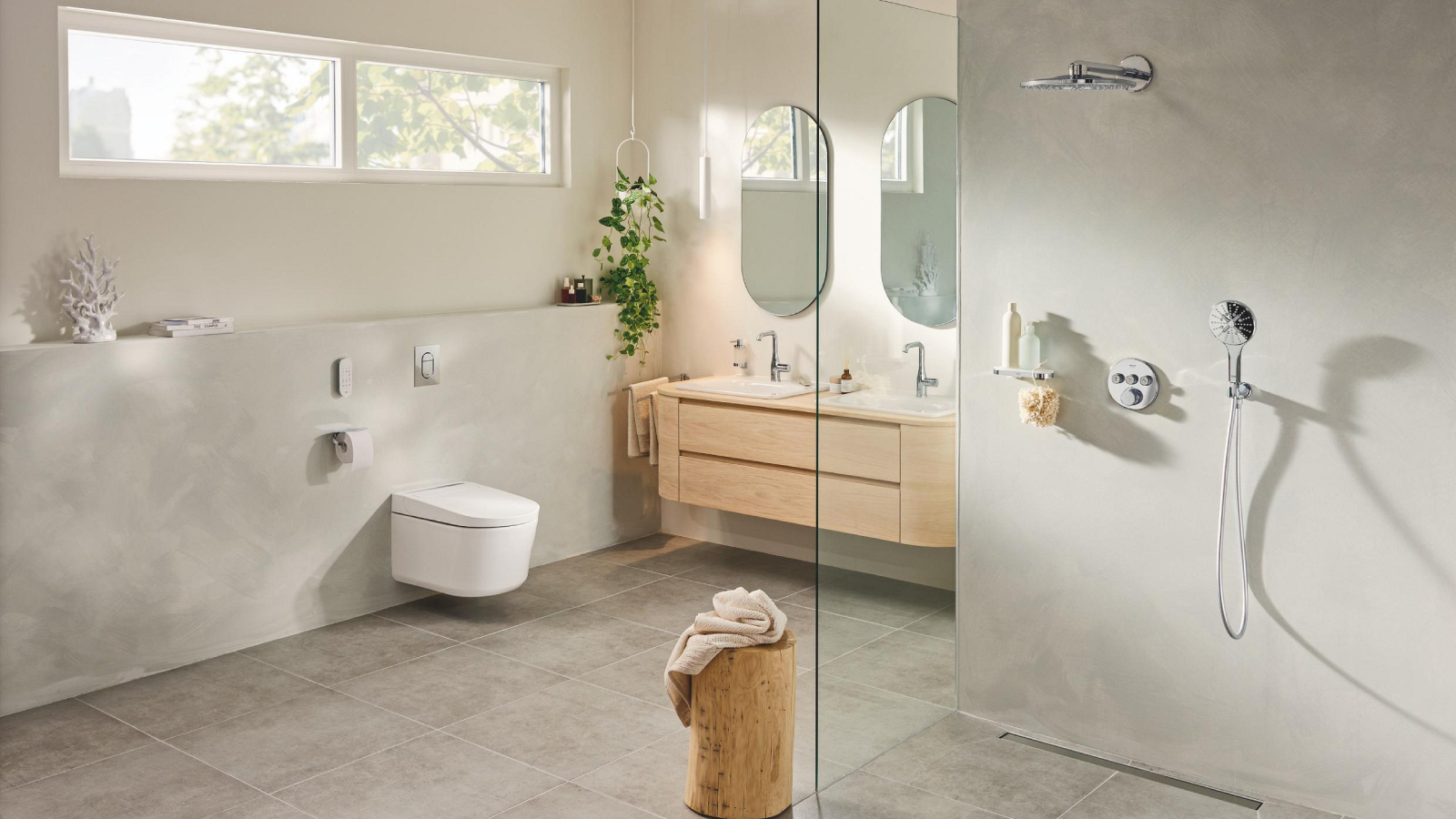
One of the most significant shifts in modern bathroom design is the move toward open-concept layouts, specifically the “Wet Room.” This design philosophy involves waterproofing the entire bathroom floor or a large designated section, allowing for a seamless transition between the vanity area and the shower.
Curbless showers are a hallmark of this trend. By removing the traditional “step-over” threshold, the bathroom appears significantly larger and more streamlined. This is not only an aesthetic choice but also a practical one, adhering to universal design principles that ensure the space is accessible for individuals of all ages and mobility levels. Large-format porcelain tiles are often used in these settings to minimize grout lines, creating a sleek, continuous surface that is incredibly easy to maintain.
Biophilic Elements: Bringing Nature Indoors
As urban living becomes more concentrated, the desire to reconnect with nature has led to the popularity of biophilic design in bathrooms. This approach uses natural light, organic materials, and greenery to create a calming, grounded environment.
Consider incorporating a “living wall” of moisture-loving plants like ferns or orchids, which thrive in the humid atmosphere of a bathroom while naturally purifying the air. Natural stone finishes, such as honed marble, slate, or travertine, provide a tactile connection to the earth that synthetic materials cannot replicate. If your layout allows, installing a skylight or a frosted floor-to-ceiling window can flood the space with natural light, shifting the mood of the room throughout the day and reducing the reliance on artificial lighting.
Smart Technology for Personalized Comfort
The integration of smart technology is no longer about gimmicks; it is about enhancing the user experience through precision and automation. In 2026, the “intelligent bathroom” is designed to anticipate your needs.
Smart showers now allow users to pre-set their preferred water temperature and flow rate via a smartphone app or voice command, ensuring the water is perfect the moment they step in. High-tech mirrors have evolved into information hubs, featuring integrated LED lighting that mimics natural sunlight, built-in Bluetooth speakers, and even discreet displays for news or weather updates. Additionally, smart toilets with self-cleaning functions, heated seats, and motion-activated lids are becoming a standard luxury in modern renovations, offering a higher level of hygiene and comfort.
The Return of the Statement Bathtub
While walk-in showers are popular for their efficiency, the freestanding bathtub remains the ultimate symbol of relaxation. In contemporary design, the bathtub often serves as the room’s focal point—a piece of functional sculpture.
Materials like volcanic limestone, copper, and even Japanese Hinoki wood are being used to create tubs that retain heat longer and provide a unique sensory experience. For those with limited space, the “soaking tub”—which is deeper but shorter than a traditional bath—allows for full immersion without requiring a massive footprint. Placing the tub near a window or under a statement pendant light can further define the “wellness zone” within the bathroom, encouraging a ritual of self-care.
Innovative Storage and Minimalism
A cluttered bathroom is the antithesis of a sanctuary. To maintain a peaceful atmosphere, modern bathroom ideas focus heavily on “invisible storage.” Floating vanities are a popular choice as they keep the floor visible, making the room feel airier while providing deep drawers for toiletries.
Recessed wall niches in the shower and above the vanity provide a streamlined place for bottles and daily essentials without interrupting the flow of the walls. Mirrored cabinets that are recessed into the wall offer a clean look while providing ample space for medication and skincare products. By keeping the countertops clear and utilizing smart organization systems inside drawers, the bathroom remains a visually quiet space.
Lighting Layers and Color Palettes
Lighting in a bathroom must serve two distinct purposes: precision for grooming and ambiance for relaxation. A layered lighting plan is essential. Task lighting should be placed at eye level on either side of the mirror to eliminate shadows on the face. Ambient lighting, such as dimmable recessed ceiling lights, provides general illumination, while “mood lighting”—such as LED strips tucked under the vanity or behind a mirror—creates a soft glow perfect for a late-night soak.
In terms of color, 2026 is seeing a shift away from cold, clinical whites toward “warm minimalism.” Earthy tones like terracotta, sage green, and warm taupe create a sense of cocoon-like comfort. For those who prefer a bolder look, deep navy or charcoal gray can be used to create a sophisticated, dramatic “jewel box” effect, especially when paired with brushed gold or matte black fixtures.
Conclusion
The modern bathroom is a reflection of our evolving lifestyle—a place where functionality meets deep relaxation. By embracing trends like the wet room, biophilic design, and smart technology, you can transform a standard bathroom into a high-performance retreat that adds significant value to your home and your health.
The key to a successful bathroom design is intentionality. Every choice, from the texture of the tiles to the warmth of the lighting, should contribute to a sense of order and tranquility. As the heart of your morning routine and the bookend to your day, the bathroom deserves to be a space that inspires and restores you. With these ideas as your foundation, you can create a sanctuary that remains timeless, functional, and beautiful for years to come.