
In the architectural landscape of 2026, a home floor plan is no longer just a technical requirement for construction; it is a sophisticated map of a lifestyle. As our daily routines become increasingly fluid—blending professional responsibilities with personal wellness and social entertainment—the way we partition and utilize our living space has undergone a radical transformation. Modern home design is moving away from the rigid, specialized rooms of the 20th century toward a philosophy of intentional flexibility, sustainability, and psychological comfort.
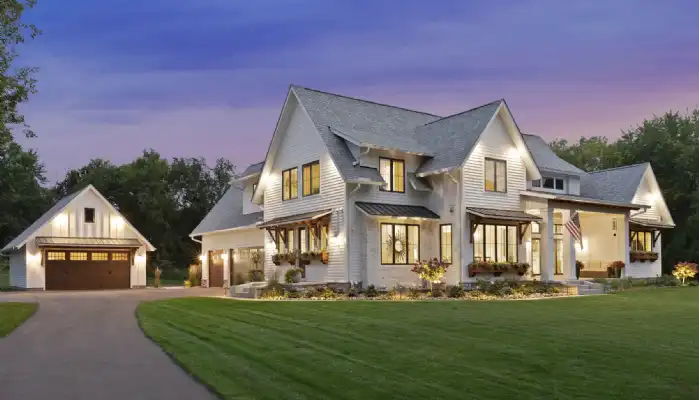
Designing a home today requires a delicate balance between open-concept sociability and the essential need for acoustic and visual privacy. Whether you are building a custom residence from the ground up or seeking to remodel an existing footprint, understanding the core principles of modern floor planning is essential for creating a space that remains functional and valuable for decades to come.
The Rise of the Broken-Plan Layout
For the past two decades, the “Open Concept” has dominated residential architecture. While the seamless flow between the kitchen, dining, and living areas created a sense of vastness, it also introduced challenges: a lack of privacy, noise pollution, and the difficulty of heating or cooling large, undivided spaces.
In 2026, we are seeing the emergence of the “Broken-Plan” layout. This design maintains the airy feel of an open layout but utilizes internal structural elements to create distinct zones. Instead of full-height walls, architects are incorporating floor-to-ceiling glass partitions, double-sided fireplaces, or varying floor levels to define spaces. This allows for a visual connection across the home while providing the necessary acoustic barriers for a quiet home office or a cozy reading nook. It is a more nuanced approach to space that acknowledges that human beings need both connection and solitude.
Designing for the Hybrid Reality: The Professional Suite
The home office has evolved from a temporary desk in the corner of a bedroom to a mandatory, high-tech “Professional Suite.” In modern home plans, the placement of the office is strategic. It is often located near the front entrance of the house, allowing for professional visitors without infringing on the family’s private quarters.
A well-designed professional suite in a modern floor plan includes dedicated soundproofing and integrated acoustic insulation in the walls to ensure a quiet environment for video conferencing. Furthermore, biophilic integration—such as large windows or a direct view of a private garden—is prioritized to reduce digital fatigue and boost cognitive function. By planning for a dedicated office space rather than a multipurpose room, homeowners ensure their professional life does not bleed into their relaxation zones.
The Functional Split: Social Kitchens and Working Pantries
In modern home design, the kitchen remains the heart of the home, but its layout has split into two distinct areas: the “Social Kitchen” and the “Working Pantry” (sometimes referred to as a “Messy Kitchen”).
The Social Kitchen features a large island and high-end finishes, acting as a stage for entertaining and family gathering. Meanwhile, the Working Pantry is a secondary, semi-enclosed space that houses bulky appliances, the main sink, and prep areas. This floor plan design allows the social area to remain clean and minimalist during gatherings, while the actual labor of meal preparation is tucked away. This layout effectively solves the aesthetic problem of the open-concept kitchen where dirty dishes and clutter are constantly on display.
Indoor-Outdoor Synergy: The Extended Living Room
Modern floor plans no longer treat the backyard as a separate entity. Instead, the design philosophy emphasizes “Threshold-Free Living.” This involves the use of massive sliding or folding glass wall systems that allow the living room to physically merge with a covered patio or deck.
To make this successful, the home plan must use consistent materials—such as extending the same porcelain tile or wood finish from the interior to the exterior—to create a visual continuation. These outdoor zones are now planned with as much detail as the interior, often featuring integrated heating, outdoor kitchens, and weather-resistant media centers. By treating the exterior as an extension of the floor plan, homeowners effectively increase their livable square footage and enhance their connection to the natural world.
Future-Proofing Through Universal Design
A truly intelligent home design considers the lifecycle of its inhabitants. Universal Design is a movement focused on making floor plans accessible to everyone, regardless of age or physical ability. This is no longer seen as a clinical necessity but as a hallmark of premium, thoughtful architecture.
Key elements of future-proofed designs include wider hallways, curbless showers in all bathrooms, and at least one “primary suite” located on the ground floor. By incorporating these features into the initial design, homeowners ensure that they can “age in place” comfortably, and they significantly increase the resale appeal of the property to a broader demographic of buyers.
Conclusion: Balancing Form and Function
The most successful home plans and designs are those that prioritize the human experience. As our lifestyles continue to evolve, our homes must become more than just a collection of rooms; they must be dynamic environments that can adapt to our changing needs.
By embracing the broken-plan layout for better acoustics, prioritizing professional workspaces, and integrating the indoors with the outdoors, you can create a home that is both a high-performance machine and a soulful sanctuary. A great design is an investment in your future well-being, providing a foundation for a life lived with intentionality, comfort, and style. When your floor plan reflects your true daily needs, every square inch of your home becomes a valuable asset that stands the test of time.