The kitchen has long been considered the heart of the home, but in 2026, its role has evolved into something even more significant. It is no longer just a place for food preparation; it is a multi-functional hub for social gathering, remote work, and culinary creativity. A kitchen remodel is one of the most rewarding home improvement projects a homeowner can undertake, offering a high return on investment and a profound improvement in daily quality of life.
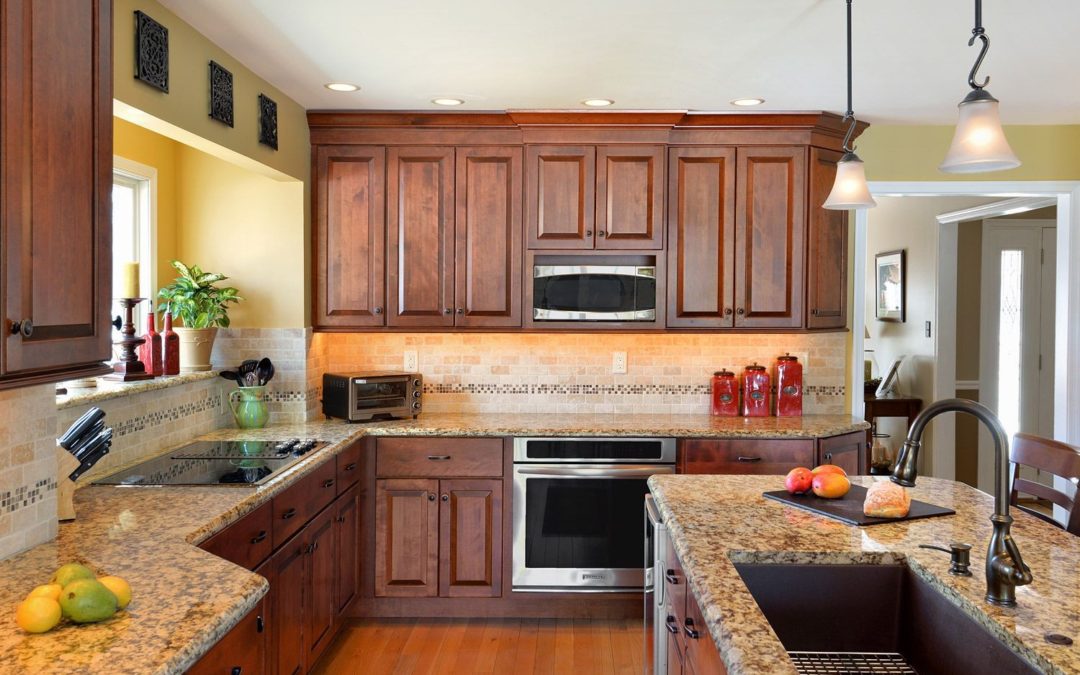
However, a successful renovation requires more than just picking out beautiful tiles or high-end appliances. It demands a strategic approach that balances aesthetics with ergonomics and modern technology. Whether you are planning a minor refresh or a complete down-to-the-studs overhaul, this guide explores the essential elements of a modern kitchen remodel.
Planning Your Layout for Maximum Efficiency
The foundation of any great kitchen is its layout. Before considering colors or materials, you must evaluate how you move within the space. For decades, the “Kitchen Work Triangle”—the path between the stove, the sink, and the refrigerator—was the gold standard. While this principle still holds value, modern kitchen design is shifting toward “Work Zones.”
In a zone-based layout, the kitchen is divided by task: a preparation zone, a cooking zone, a cleaning zone, and often a dedicated coffee or beverage station. This approach is particularly effective for households where multiple people cook at once. When planning your layout, consider the flow of traffic. Ensure that the dishwasher is near the sink and that there is ample counter space next to the cooktop for ingredients and hot pans.
The Rise of Smart Kitchen Technology
As we move further into 2026, technology has become seamlessly integrated into kitchen design. Smart kitchens are no longer a futuristic concept; they are a practical reality. High-efficiency appliances now come equipped with Wi-Fi connectivity, allowing homeowners to preheat ovens remotely or receive notifications when the refrigerator filter needs replacing.
Induction cooktops have also surged in popularity due to their precision, safety, and energy efficiency. They offer a sleek look and are much easier to clean than traditional gas or electric burners. Additionally, touchless faucets and smart lighting systems—which can adjust color temperature based on the time of day—are becoming standard features that enhance both the functionality and the ambiance of the room.
Selecting Materials: Sustainability and Durability
The choice of materials is where your personal style truly begins to shine. Currently, the trend is moving away from stark, all-white kitchens toward warmer tones and organic textures.
Cabinetry
Custom or semi-custom cabinets are the most significant investment in a remodel. Flat-panel, handle-less designs are popular for modern homes, while updated Shaker-style cabinets remain a favorite for those seeking a transitional look. Sustainably sourced wood and recycled materials are increasingly sought after, reflecting a growing environmental consciousness among homeowners.
Countertops
Quartz remains a top choice due to its non-porous nature and resistance to staining. However, we are seeing a resurgence in natural stone like quartzite and even butcher block for islands to add warmth. Porcelain slabs are also a rising star in 2026, offering a highly durable surface that can mimic the look of marble without the high maintenance requirements.
Lighting: The Layered Approach
Lighting is often the most underrated element of a kitchen remodel. A single overhead light is insufficient for a space that serves so many purposes. A professional-grade kitchen requires a layered lighting plan consisting of three types:
- Task Lighting: This includes under-cabinet LEDs that illuminate the countertops where you do your cutting and prepping.
- Ambient Lighting: This is the general illumination for the room, often provided by recessed ceiling lights.
- Accent Lighting: Pendant lights over an island or inside glass-front cabinets serve as the “jewelry” of the kitchen, adding personality and focal points.
Maximizing Storage and Organization
A beautiful kitchen can quickly become frustrating if it is cluttered. Modern remodeling focuses heavily on “hidden storage.” Deep drawers are replacing lower cabinets, as they allow for easier access to heavy pots and pans without the need to kneel.
Consider incorporating specialized storage solutions such as pull-out spice racks, dedicated charging drawers for electronics, and built-in organizers for cutlery and lids. Walk-in pantries or “appliance garages” are also highly effective at keeping small appliances like blenders and toasters off the main countertops, maintaining a clean and minimalist aesthetic.
Managing the Budget and Timeline
A kitchen remodel is a complex logistical puzzle. It involves plumbing, electrical work, flooring, and carpentry. One of the most important tips for any homeowner is to build a contingency fund of at least 10% to 15% of the total budget. Unexpected issues, such as outdated wiring or water damage behind old cabinets, are common once the demolition begins.
Timing is also critical. A full remodel can take anywhere from eight to twelve weeks. Establishing a “temporary kitchen” in another part of the house—complete with a microwave, a slow cooker, and a coffee maker—can help maintain your sanity while your main cooking space is under construction.
Conclusion
Remodeling your kitchen is a journey of transformation that requires patience and careful decision-making. By focusing on a functional layout, embracing sustainable materials, and integrating modern technology, you can create a space that is not only visually stunning but also a joy to use.
The best kitchen is one that reflects your lifestyle. Whether you are a gourmet chef who needs professional-grade equipment or a busy parent who needs an easy-to-clean social hub, the effort you put into the planning phase will pay dividends for years to come. In 2026, the kitchen remains the heartbeat of the home—make sure yours beats with style, efficiency, and warmth.