In the evolving landscape of 2026, the concept of home has shifted from a mere place of shelter to a sophisticated ecosystem that must support work, wellness, and environmental stewardship. For developers, investors, and future homeowners, a Residence Development Plan (RDP) is no longer just a set of architectural drawings; it is a comprehensive strategic document that bridges the gap between a visionary concept and a livable reality.
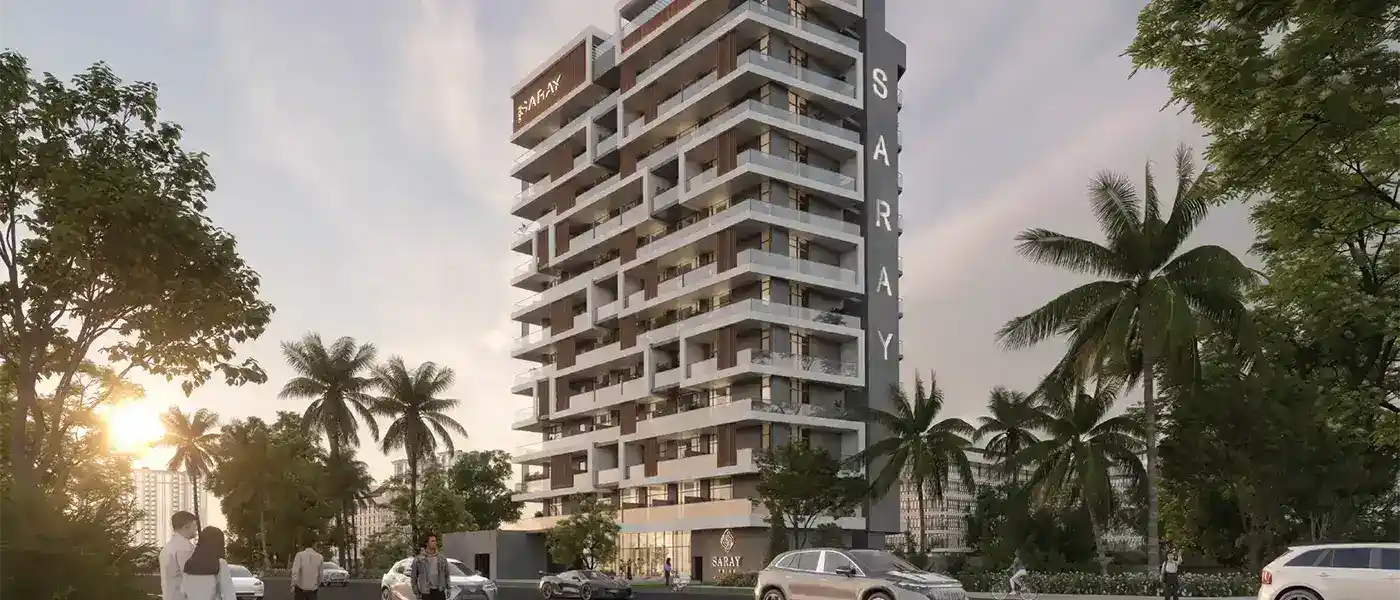
Creating a successful residence development requires a deep understanding of urban planning, sustainable engineering, and human psychology. Whether you are developing a single luxury estate or a multi-unit residential complex, the blueprint you establish today will dictate the functionality and value of the property for decades to come. This article explores the essential pillars of a modern residence development plan.
Site Analysis and Environmental Integration
The first and most critical stage of any residence development plan is a rigorous site analysis. A professional developer does not impose a structure onto a landscape; rather, they allow the landscape to inform the design. This involves evaluating topography, soil composition, solar orientation, and existing ecosystems.
In 2026, environmental integration has moved beyond aesthetics to functional sustainability. A well-crafted plan considers the “microclimate” of the lot. By analyzing wind patterns and solar paths, developers can position residences to maximize natural cooling and heating, significantly reducing long-term energy costs. Furthermore, modern RDPs prioritize the preservation of native flora and the implementation of advanced drainage systems that mimic natural water cycles, preventing runoff and protecting local watersheds.
The Shift Toward Adaptive and Flex-Space Design
The internal architecture of residential development is undergoing a revolution. The rigid compartmentalization of the past—where every room had a single, fixed purpose—is being replaced by “Adaptive Design.” A modern residence development plan must account for the changing needs of its inhabitants over time.
This involves the creation of “flex-spaces”—areas that can transition from a high-tech home office to a nursery, a guest suite, or a fitness studio with minimal structural changes. High ceilings, movable partitions, and integrated storage solutions are key components of this strategy. By planning for flexibility at the foundational level, developers ensure that the residence remains relevant and valuable as the homeowner’s lifestyle evolves, whether they are growing a family or transitioning into retirement.
Infrastructure for the Digital and Green Age
A residence is only as good as the infrastructure that supports it. In the current era, a development plan must go beyond standard plumbing and electrical grids. It must incorporate “Future-Proofing” as a core requirement.
This includes dedicated conduits for fiber-optic connectivity and integrated mesh network nodes to ensure seamless high-speed internet throughout the property. On the energy front, an RDP should include pre-wiring for electric vehicle (EV) charging stations and structural reinforcement for solar arrays and battery storage systems. Even if the immediate owner does not install solar panels, having the infrastructure ready to go adds immense “equity of convenience” to the development.
The “Indoor-Outdoor” Living Synergy
One of the most sought-after features in modern residence development is the seamless transition between indoor and outdoor spaces. A successful plan treats the backyard, patio, or balcony as an “extra room” of the house.
This synergy is achieved through the use of expansive glass walls, level thresholds, and consistent flooring materials that flow from the living room to the terrace. The development plan should specify “External Living Zones” that include amenities such as outdoor kitchens, fire pits, and weather-protected lounges. By extending the livable square footage into the natural environment, the residence feels significantly larger and provides a higher quality of life, particularly in regions where the climate allows for year-round outdoor activity.
Navigating Legal Frameworks and Community Impact
No residence development plan can succeed in a vacuum. It must exist within the legal and social framework of its community. This involves navigating complex zoning laws, building codes, and homeowners’ association (HOA) regulations.
A professional RDP includes a thorough “Legal Feasibility” section. This ensures that the proposed density, height, and setbacks are compliant with local ordinances. Moreover, modern developers are increasingly focused on “Community Impact.” This means designing residences that complement the neighborhood’s character and contribute to the local aesthetic. A plan that respects the architectural heritage of an area while introducing modern innovations is far more likely to gain public support and administrative approval.
Budgeting, Timeline, and Resource Management
The final, and perhaps most pragmatic, part of a residence development plan is the operational strategy. A project that is beautiful on paper but financially unfeasible will never come to fruition.
A comprehensive plan includes a tiered budget that accounts for materials, labor, permits, and a mandatory “contingency fund” of at least 15%. In 2026, supply chain fluctuations and labor availability are critical variables. Therefore, the timeline in an RDP must be realistic rather than optimistic. Strategic resource management also involves choosing “Smart Materials”—those that may have a higher upfront cost but offer lower maintenance and higher durability over time, such as composite siding, quartz surfaces, and high-efficiency glazing.
Conclusion
A Residence Development Plan is the foundation of a successful investment and a harmonious home. It is a document that requires a balance of high-level vision and granular detail. By focusing on site-specific environmental design, adaptive internal layouts, and future-proof infrastructure, developers can create spaces that are not only beautiful but also resilient and highly functional.
In the end, a great development plan is about more than just bricks and mortar; it is about creating a stage for human life to flourish. As we move further into a century defined by rapid technological change and environmental awareness, the residence development plan remains the most important tool we have to ensure that our homes are ready for the future. Whether you are building for yourself or for the market, remember that a well-planned residence is an asset that appreciates in value and quality every single day.